Guide to the Best Beans, Cafes and Brewing
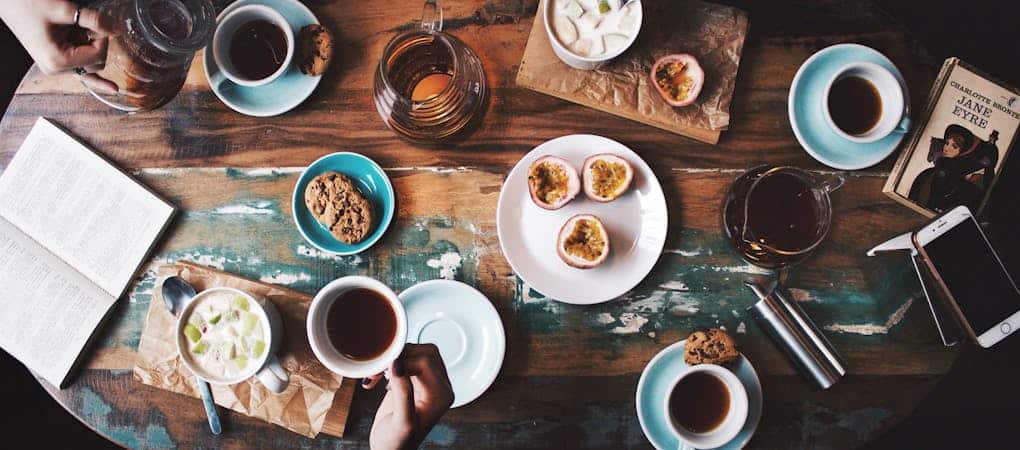
Uncover the Perfect Brew
Discover the Best of Speciality Coffee UK: flavour-forward, ethically sourced beans and the top cafés to taste them
Speciality coffee UK has moved far beyond a trend — it’s a craft movement rooted in flavour, transparency and sustainability. Whether you’re hunting for the best speciality coffee near me, curious about single-origin beans, or seeking a truly exceptional cup in a local speciality coffee shop, this guide will show you where to start and what to taste. Read on for the essential facts, top destinations, brewing tips and how to spot ethically sourced coffee.
What is speciality coffee?
Speciality coffee refers to beans and preparation that consistently deliver outstanding flavour and traceability. Key features:
- Quality grading: Specialty-grade coffees are generally scored 80+ by certified graders.
- Traceability: Single-origin and single-farm coffees reveal origin, altitude and processing method.
- Care at every stage: from selective picking and careful processing to small-batch roasting and precise brewing.
- Flavour focus: instead of masking defects, speciality coffee highlights distinct tasting notes — citrus, floral, chocolate, berry and more.
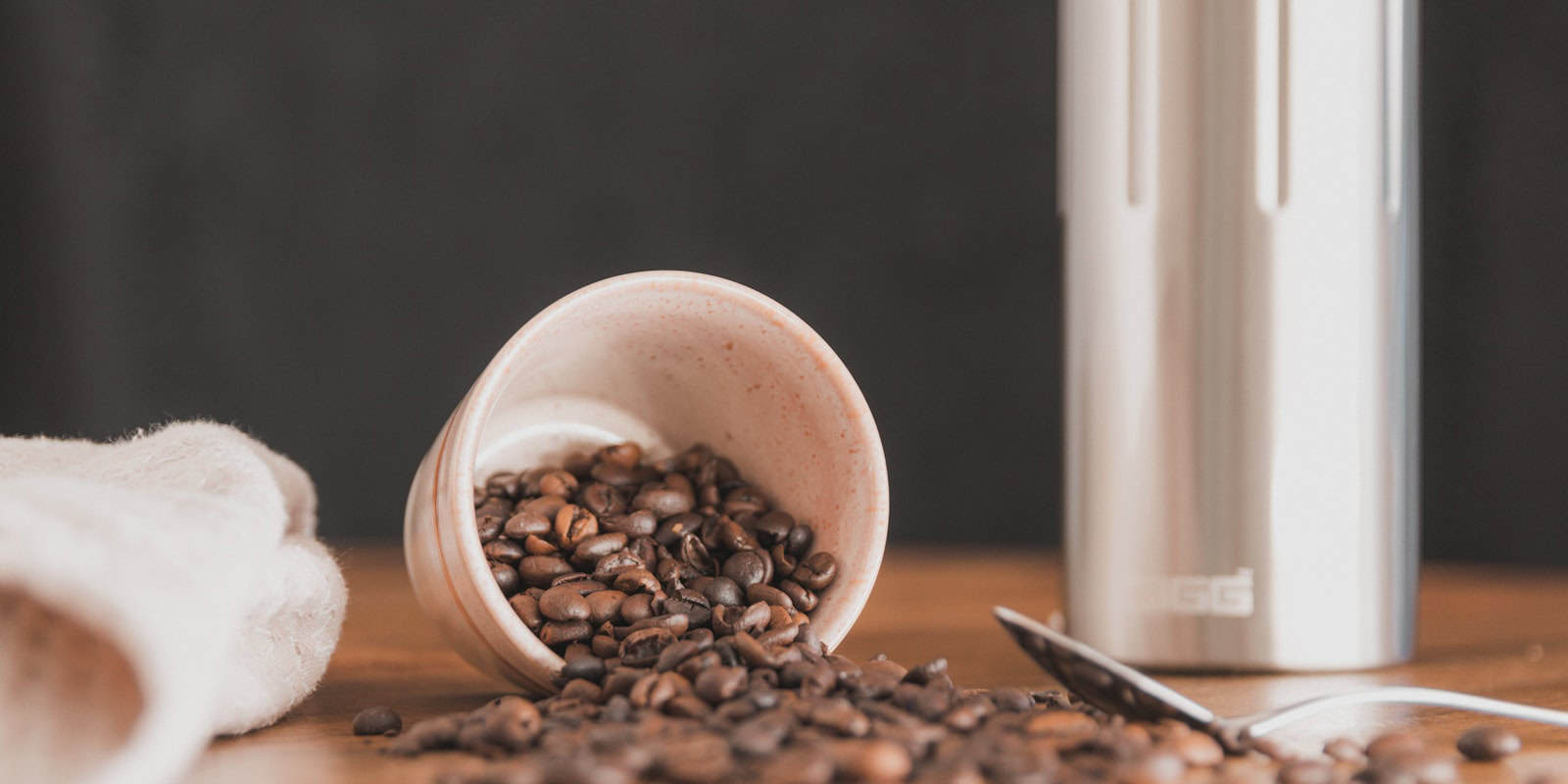
Why speciality coffee is growing in the UK
Several factors explain the rise of speciality coffee UK searches:
- Taste-led consumers: people want complex, interesting flavour rather than generic blends.
- Ethical buying: shoppers prioritise transparency, fair pay and sustainable farming.
- Coffee culture: cafés have become places to socialise, work and learn.
- Home brewing accessibility: affordable equipment and online resources make speciality coffee achievable at home.
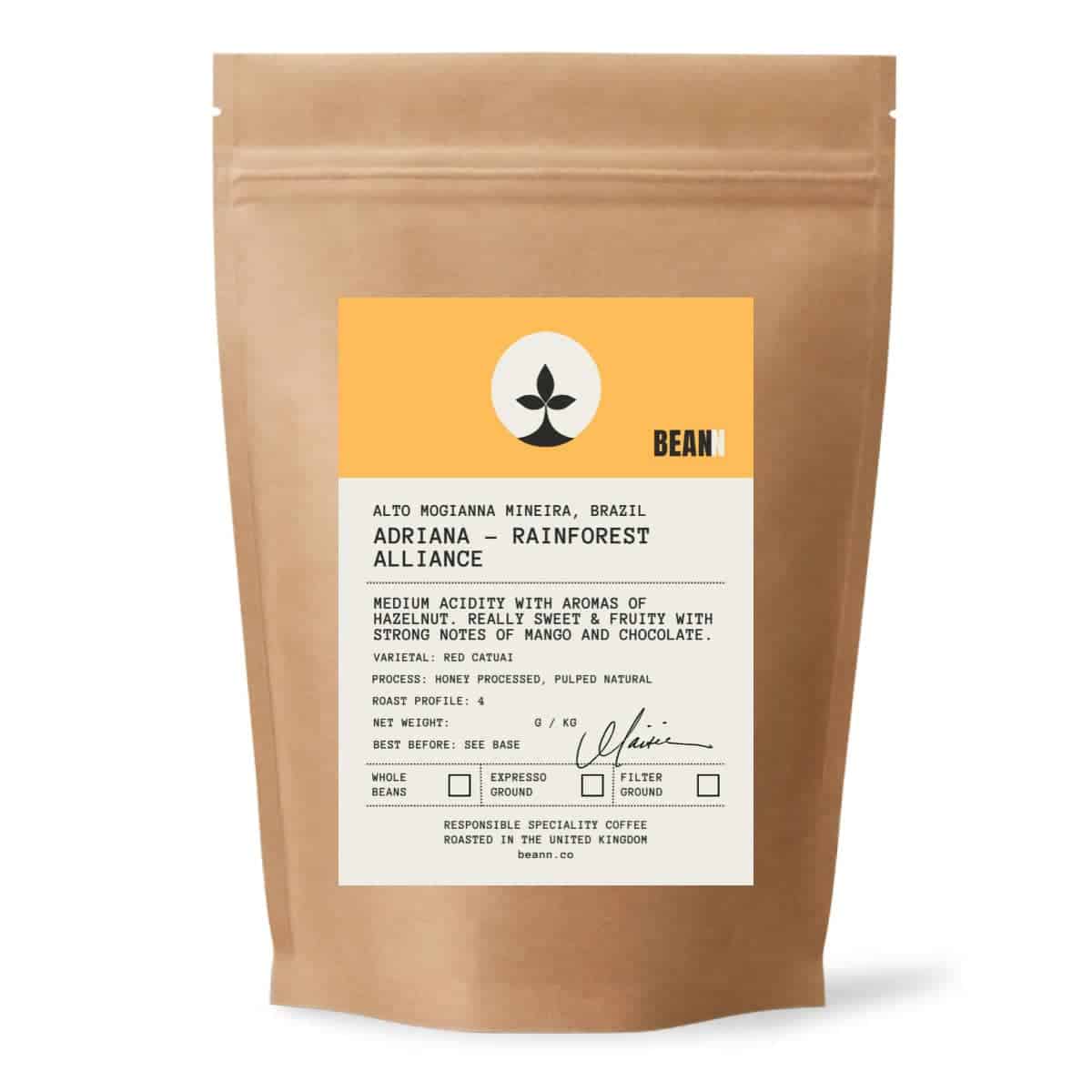
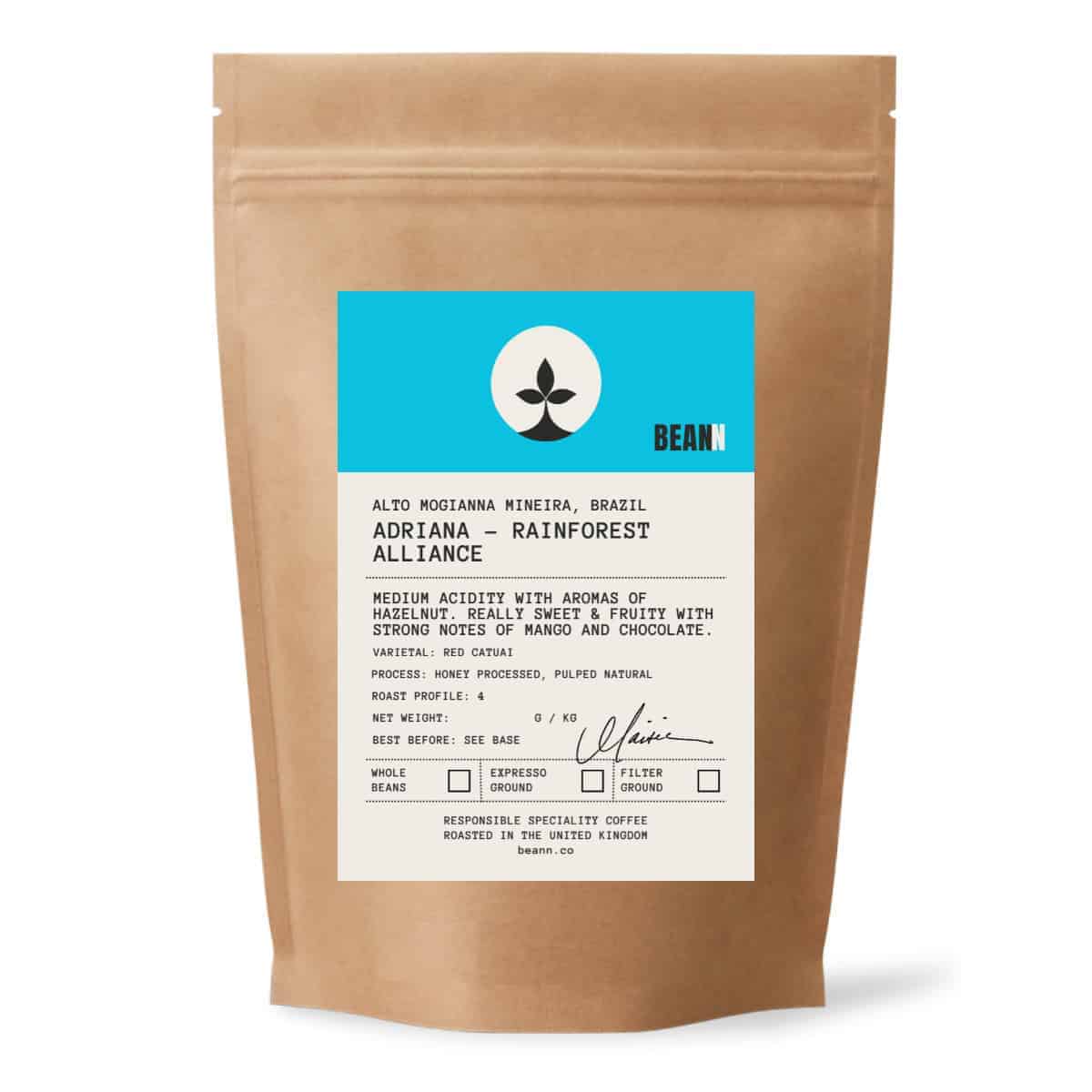
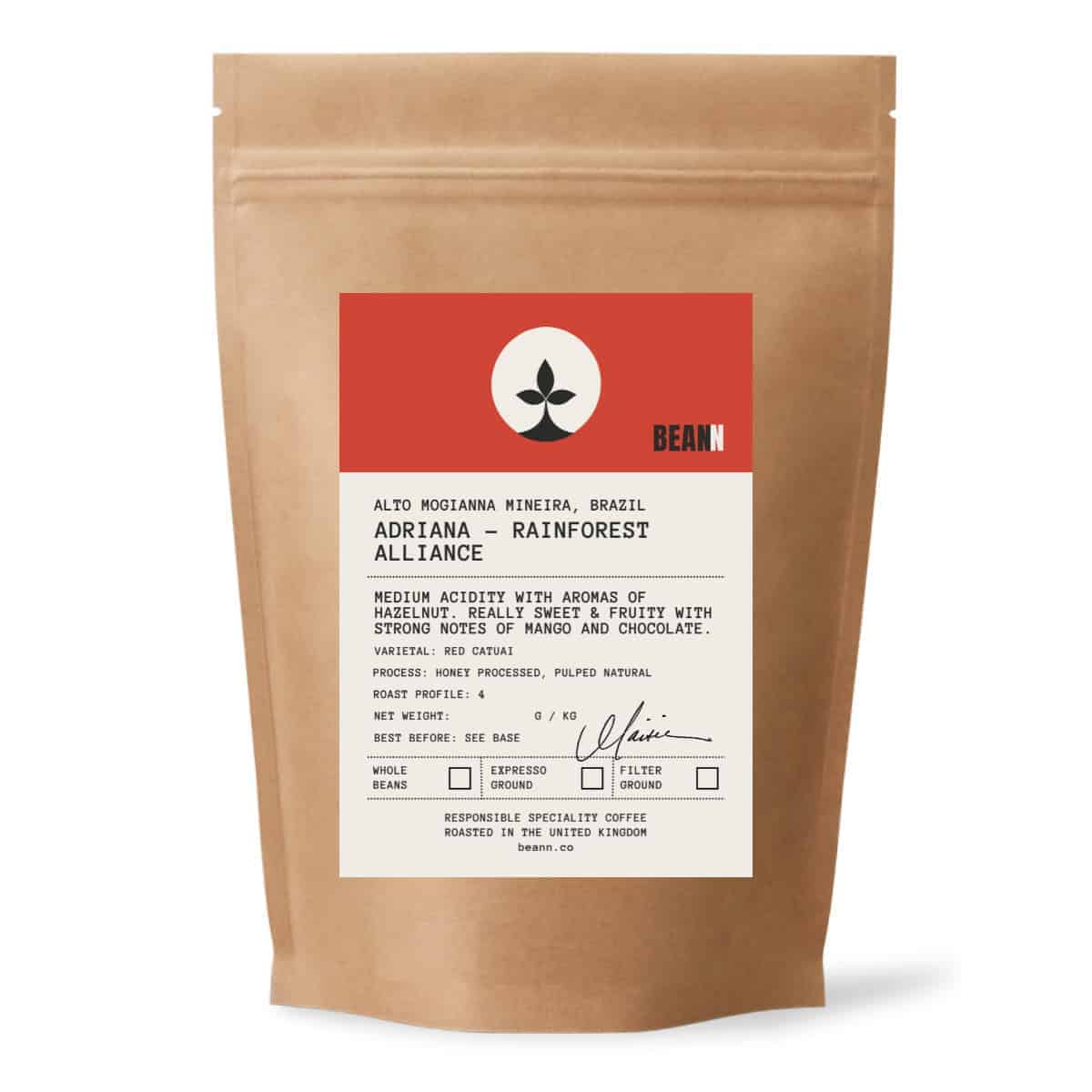
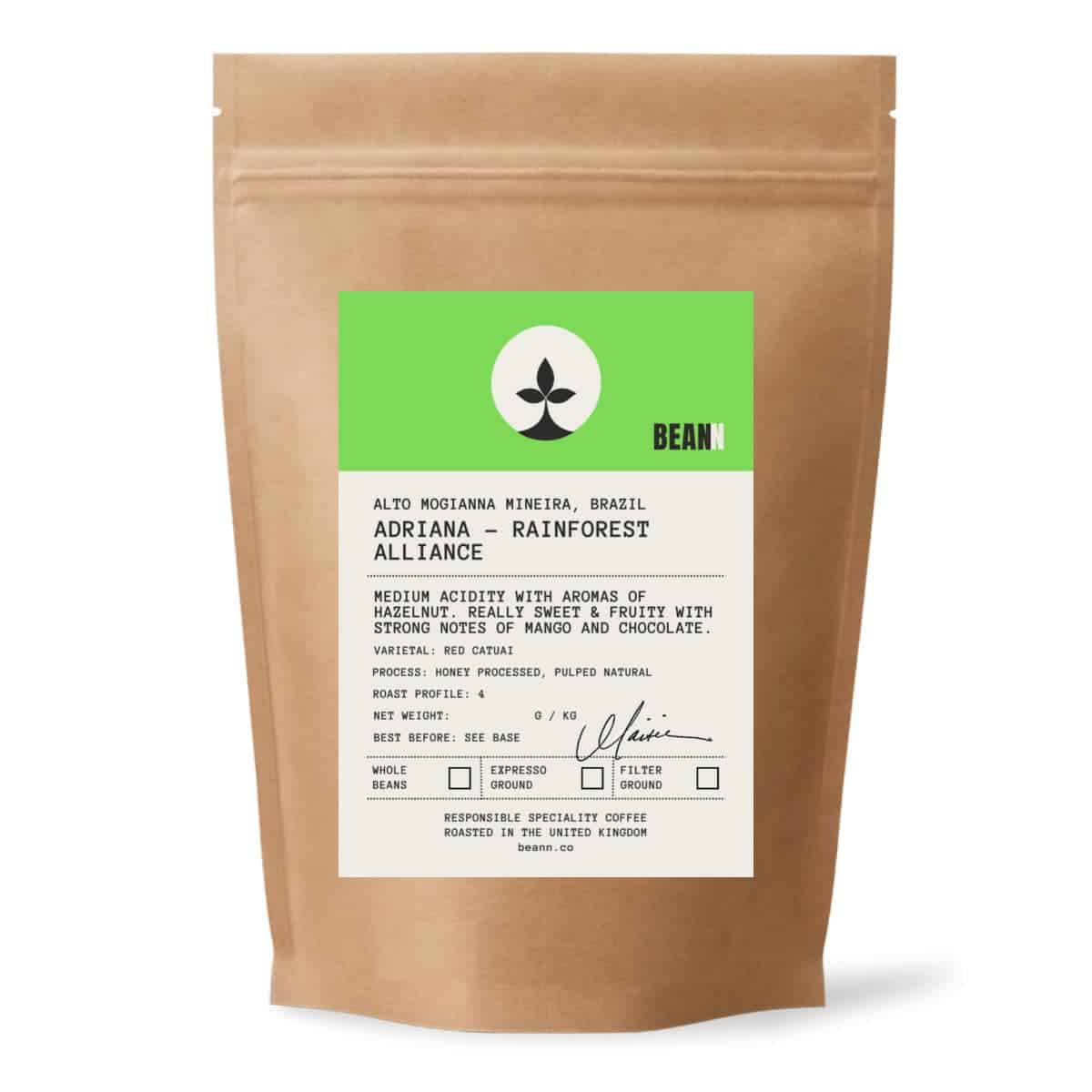
Top cities & where to find the best speciality coffee in the UK
When searching “speciality coffee UK” or “best speciality coffee near me”, start with these hotspots:
- London: diverse neighbourhoods (Shoreditch, Bermondsey, Fitzrovia) host leading roasters and micros.
- Edinburgh: strong independent scene with a focus on single-origin filter brews.
- Bristol: progressive, sustainability-minded roasters and cafés.
- Manchester: Northern hub for innovative espresso and speciality blends.
- Belfast: rapidly growing specialty scene with emerging roasteries.
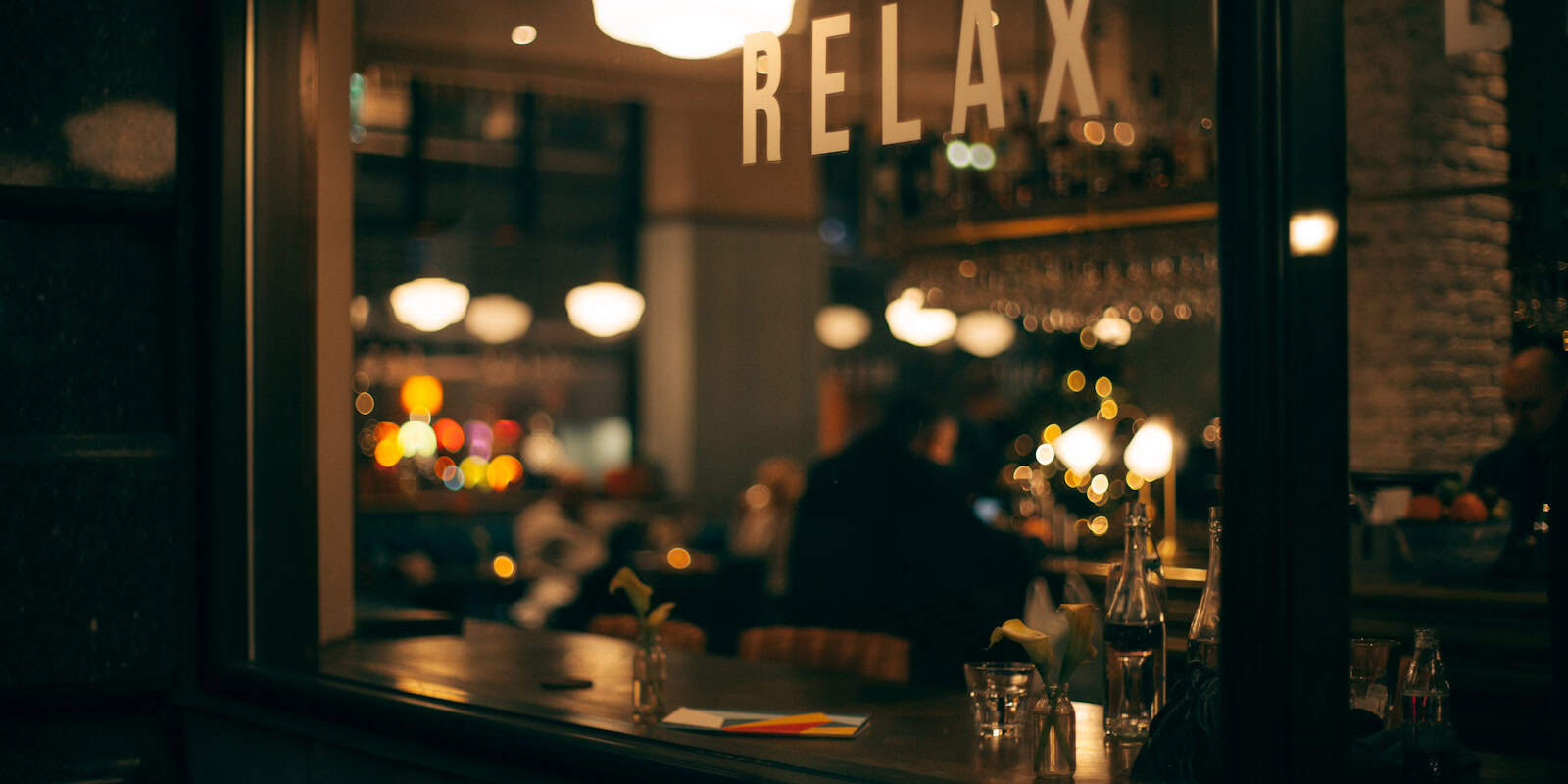
How to choose a speciality coffee shop
Look beyond interiors and Instagram shots. The best speciality coffee shop in the UK will show:
- Transparent sourcing (origin, farm, processing and roast date).
- Fresh, small-batch roasting and visible roast dates on bags.
- A range of brew methods (V60, Chemex, AeroPress, filter and expertly pulled espresso).
- Knowledgeable baristas who can explain tasting notes and brewing recommendations.
- Events such as tastings, cuppings and brewing workshops.
Single-origin versus blends: know your preference
- Single-origin (or single-farm) coffees highlight regional character — ideal for filter brewing and tasting specific flavours.
- Blends are crafted for balance, consistency and often for milk-based drinks. Great for everyday espresso.
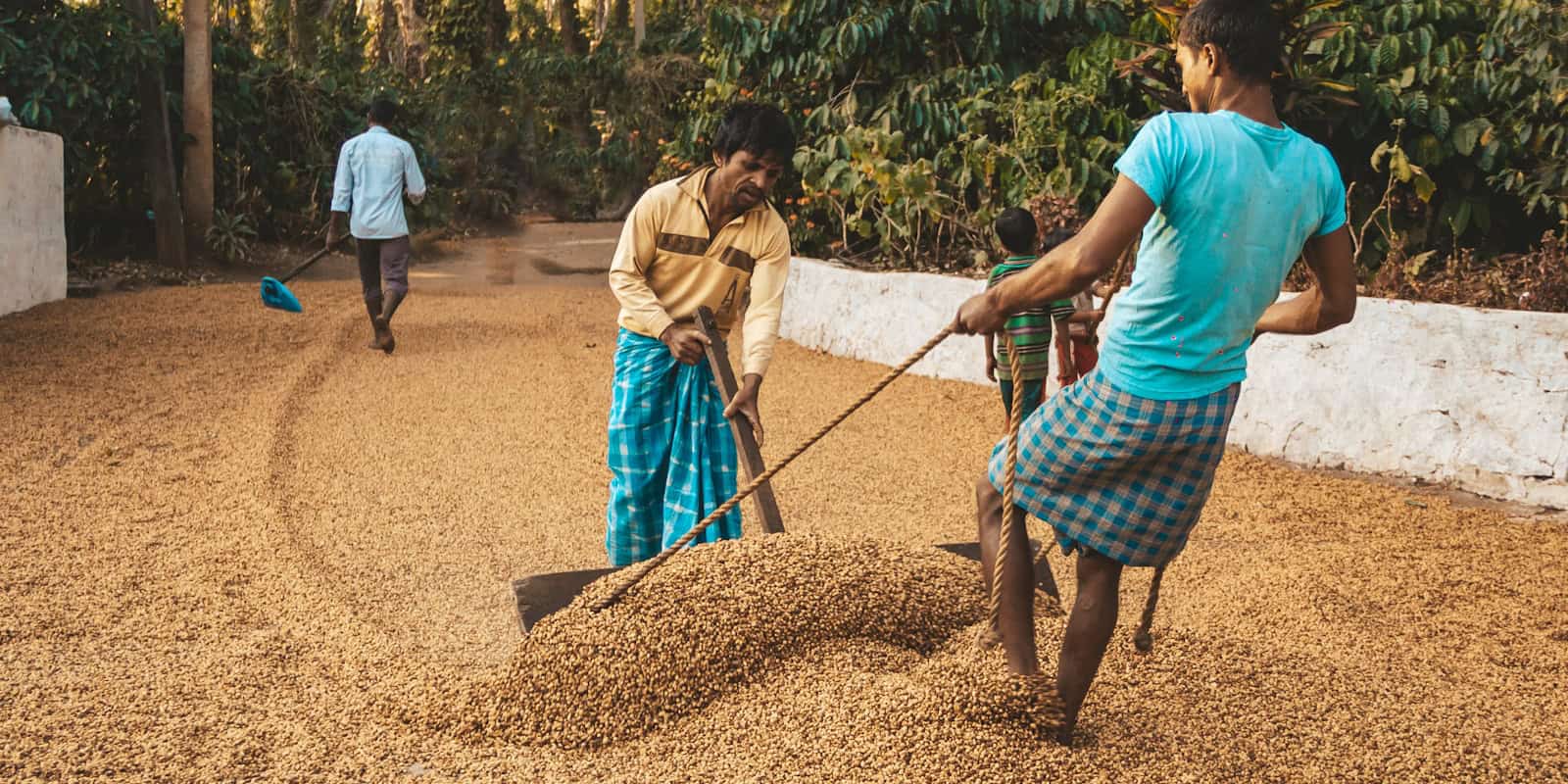
Ethical sourcing and sustainability: what matters
If you search “speciality coffee UK ethical sourcing”, you’re not alone. Consumers want:
- Direct trade or transparent buying relationships with farmers.
- Proof of premiums paid or investment in producer communities.
- Certifications where relevant (Fairtrade, Rainforest Alliance) but also evidence of meaningful impact.
- Sustainable farming practices, including organic or regenerative techniques.
How to taste speciality coffee: simple cupping tips
You don’t need a lab to taste quality. Try this:
- Smell the dry grounds, then the brewed coffee.
- Note acidity (brightness), body (mouthfeel), flavour and aftertaste.
- Brew two different single-origin filter coffees with the same ratio and compare.
- Keep a tasting notebook to track preferences and flavour descriptors.
Buy and store speciality coffee the right way
- Buy whole beans from local roasters and check roast dates.
- Grind immediately before brewing. Use a quality burr grinder.
- Store in an airtight container in a cool, dark place — avoid the fridge.
- Typical freshness window: espresso 2–14 days post-roast (varies); filter 7–21 days.
Quick brewing basics for consistent results
- Use filtered water and heat to 92–96°C.
- Use scales and weigh coffee: water (a good starting ratio is 1:16 for filter).
- Adjust grind size to hit target extraction time.
- For pour-over: bloom 30–45 seconds before pouring in stages.
- Invest in a scale, a reliable grinder and practice with a few recipes.
Conclusion
Speciality coffee UK is a journey of flavour, ethics and community. Whether you’re searching for the best speciality coffee near me, exploring single-origin beans, or aiming to brew better at home, focusing on traceability, freshness and technique will transform your cup. For roasters and cafés, transparency and education are vital to reach today’s informed customers.
Coffee BEANN : Ethical Speciality Coffee Roasters
REGULARLY ASKED QUESTIONS
Frequently Asked Questions
What is speciality coffee and how is it different from regular coffee?
Speciality coffee is high-grade coffee scored 80+ by certified graders, emphasising flavour clarity, traceability and careful processing. Unlike commodity coffee, it highlights distinct tasting notes (e.g. citrus, chocolate, floral) and is roasted and brewed to showcase origin and quality.
How can I find the best speciality coffee near me in the UK?
Search local neighbourhoods and city hotspots (London, Edinburgh, Bristol, Manchester, Belfast), check roasters’ roast dates, read tasting notes and reviews, and look for cafés offering multiple brew methods and knowledgeable baristas.
What does ethically sourced coffee mean at BEANN?
At BEANN, ethically sourced coffee means transparent purchasing relationships, fair premiums to producers, evidence of community or farm investment, and adherence to sustainable farming practices — with origin and processing details provided on each product page.
Which brew method is best for single-origin speciality coffee?
Filter methods (V60, Chemex, AeroPress) reveal single-origin subtleties best, while espresso and milk-based drinks work well with blends designed for balance. Choose filter when you want to taste distinct regional flavours.
How should I store speciality coffee for maximum freshness?
Store whole beans in an airtight, opaque container in a cool, dark place. Avoid the fridge or freezer for daily use. Grind just before brewing — filter coffees are typically best 7–21 days after roast; espresso within 2–14 days (varies by roast and bean).
What equipment do I need to brew consistent speciality coffee at home?
A quality burr grinder, a scale, a temperature-stable kettle, and an appropriate brewer (V60, Chemex, AeroPress or espresso machine) are essential. Use filtered water, set brew temperature to 92–96°C and start with a 1:16 coffee:water ratio for filter brews.