A Complete Guide for Coffee Lovers
Unlocking the World of Speciality Coffee
Speciality coffee: quality, traceability and flavour — find the best beans, cafés and brewing tips to elevate your cup.
Speciality coffee has transformed the way many of us think about a daily brew. It’s not just stronger espresso or fancier latte art — speciality coffee places quality, traceability and taste at the heart of every cup. This guide explains what makes speciality coffee different, why users search for it, how to find the best speciality coffee near me, and what to look for when choosing beans or a speciality coffee shop. Whether you’re a curious newcomer or a committed enthusiast, you’ll find practical tips and actionable advice to elevate your coffee experience.
What is speciality coffee?
Speciality coffee refers to beans and brewing practices that consistently produce exceptional flavour and a transparent supply chain. The term covers several linked elements:
- Quality grading: Beans graded 80+ on a 100-point scale by certified graders are classed as speciality.
- Cultivar and terroir: Many speciality coffees are single-origin or single-farm, showcasing regional flavours influenced by altitude, soil and climate.
- Care across the supply chain: From farm practices (harvesting ripe cherries) and processing (washed, natural, honey) to skilled roasting and precise brewing, speciality coffee demands attention at every step.
- Skilled preparation: Baristas and roasters aim to highlight coffee’s unique tasting notes — from floral and citrus to chocolate and caramel — rather than masking them.
Why speciality coffee is growing in popularity
Several trends are driving searches for “speciality coffee” and related terms:
- Taste and discovery: Consumers want interesting, varied flavour profiles rather than uniform mass-market blends.
- Ethical and environmental concerns: Many buyers prioritise traceability, fair pay and sustainable farming practices.
- Coffee as culture: Cafés have become social hubs and destinations; people seek memorable experiences, not just caffeine.
- Education and accessibility: Brewing equipment (Aeropress, pour-over kits, scales) and online resources have made speciality coffee more accessible to home brewers.
How to spot a great speciality coffee shop
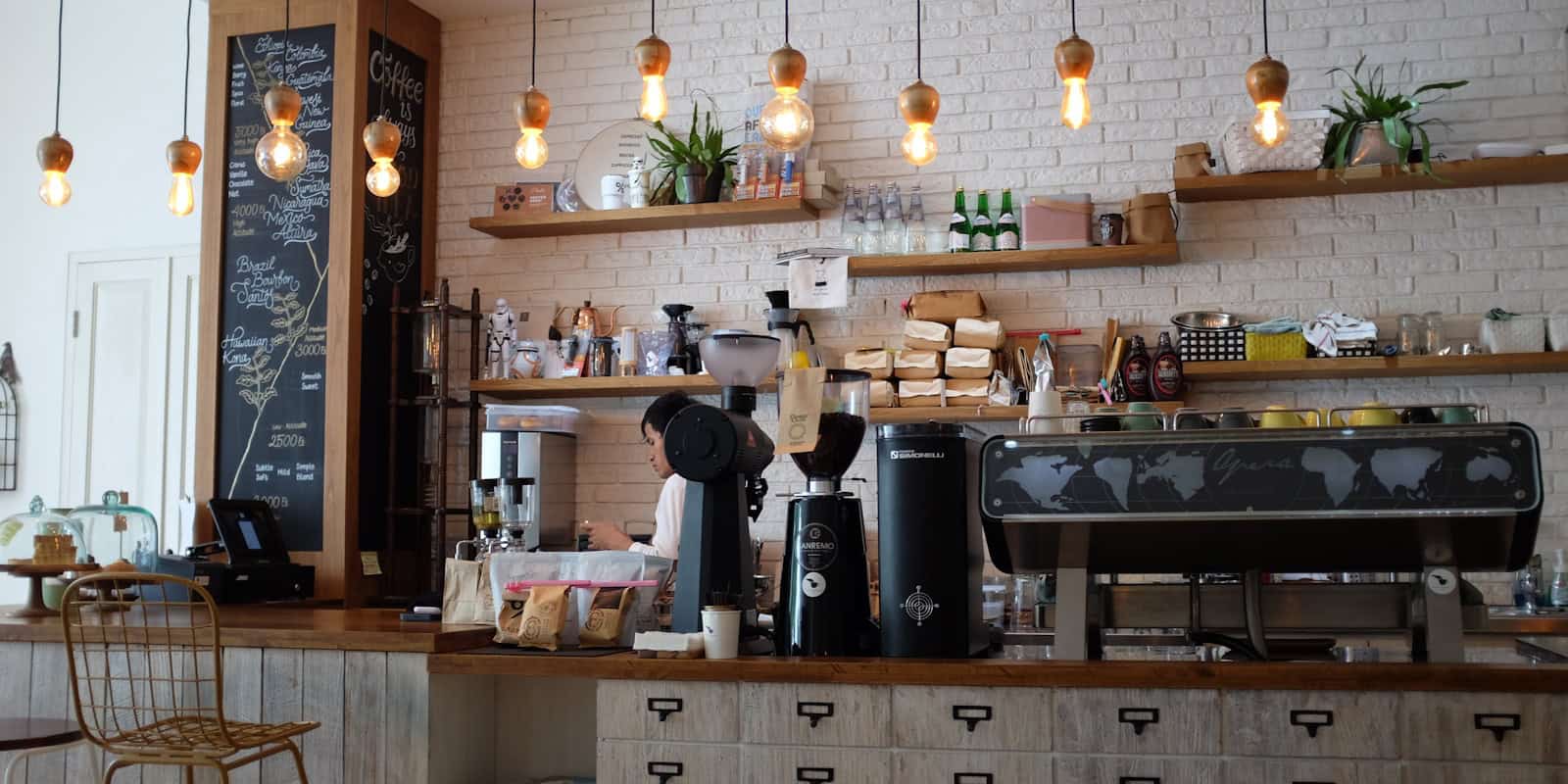
When searching for the best speciality coffee near me, look beyond décor and social media photos. A reputable speciality coffee shop will usually demonstrate the following:
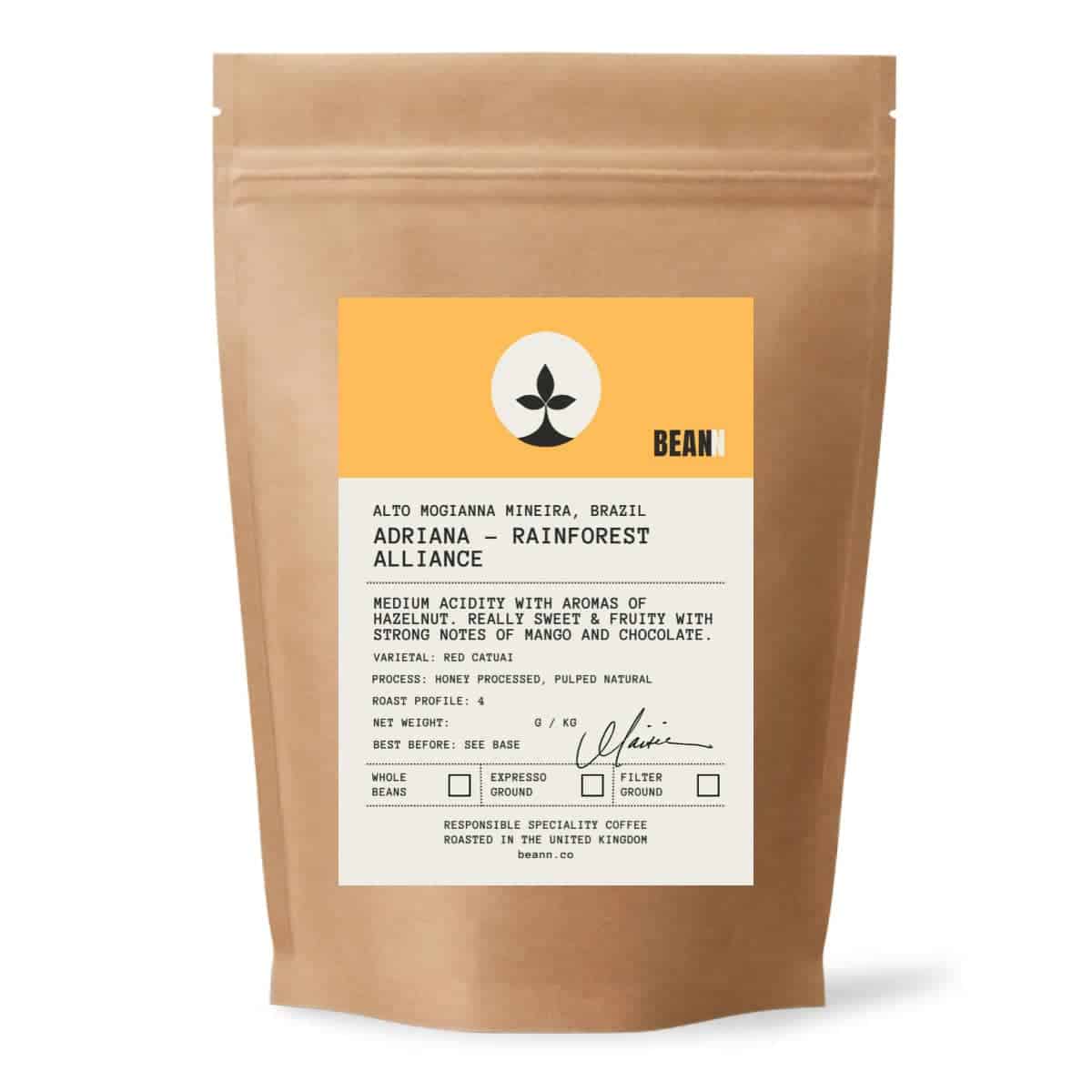
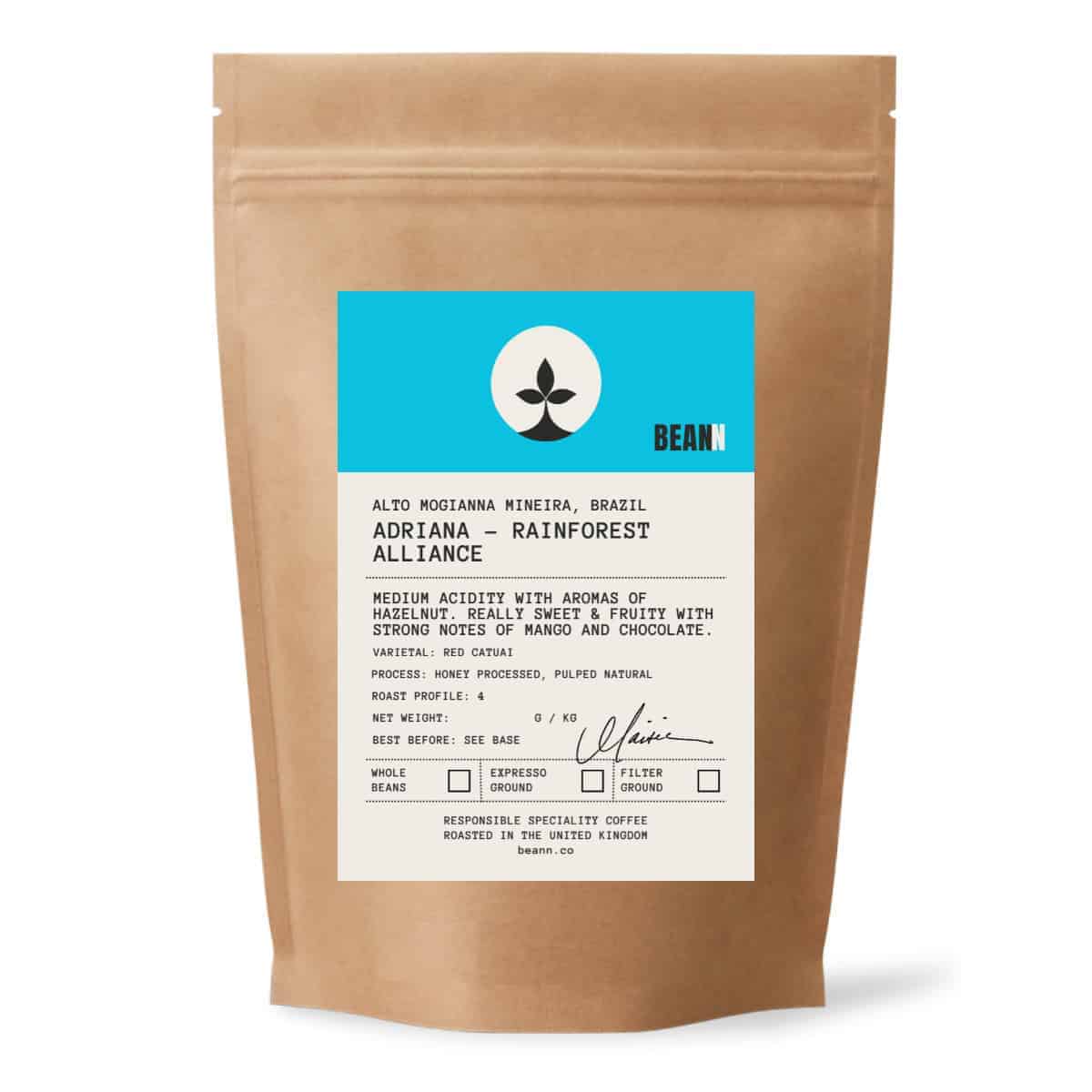
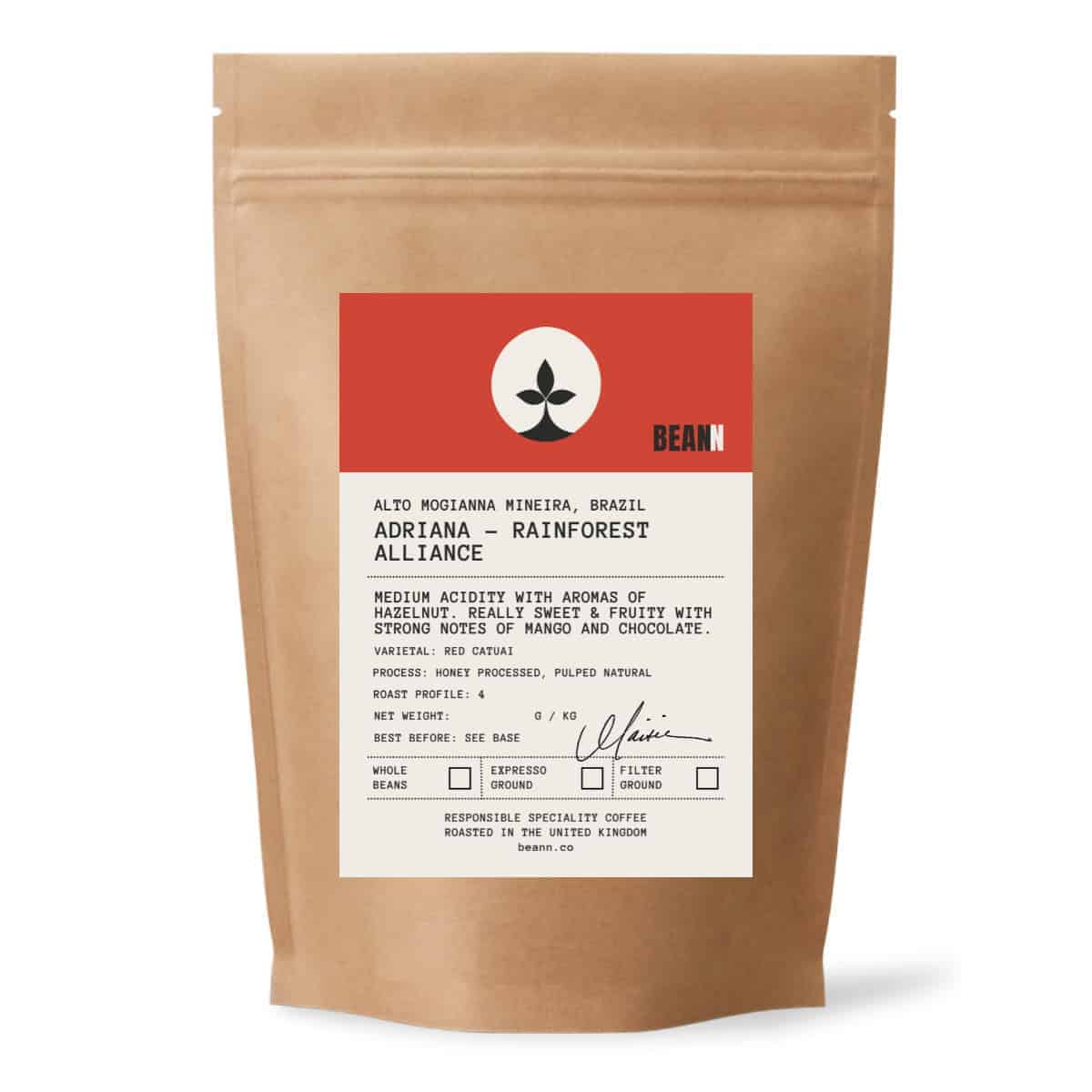
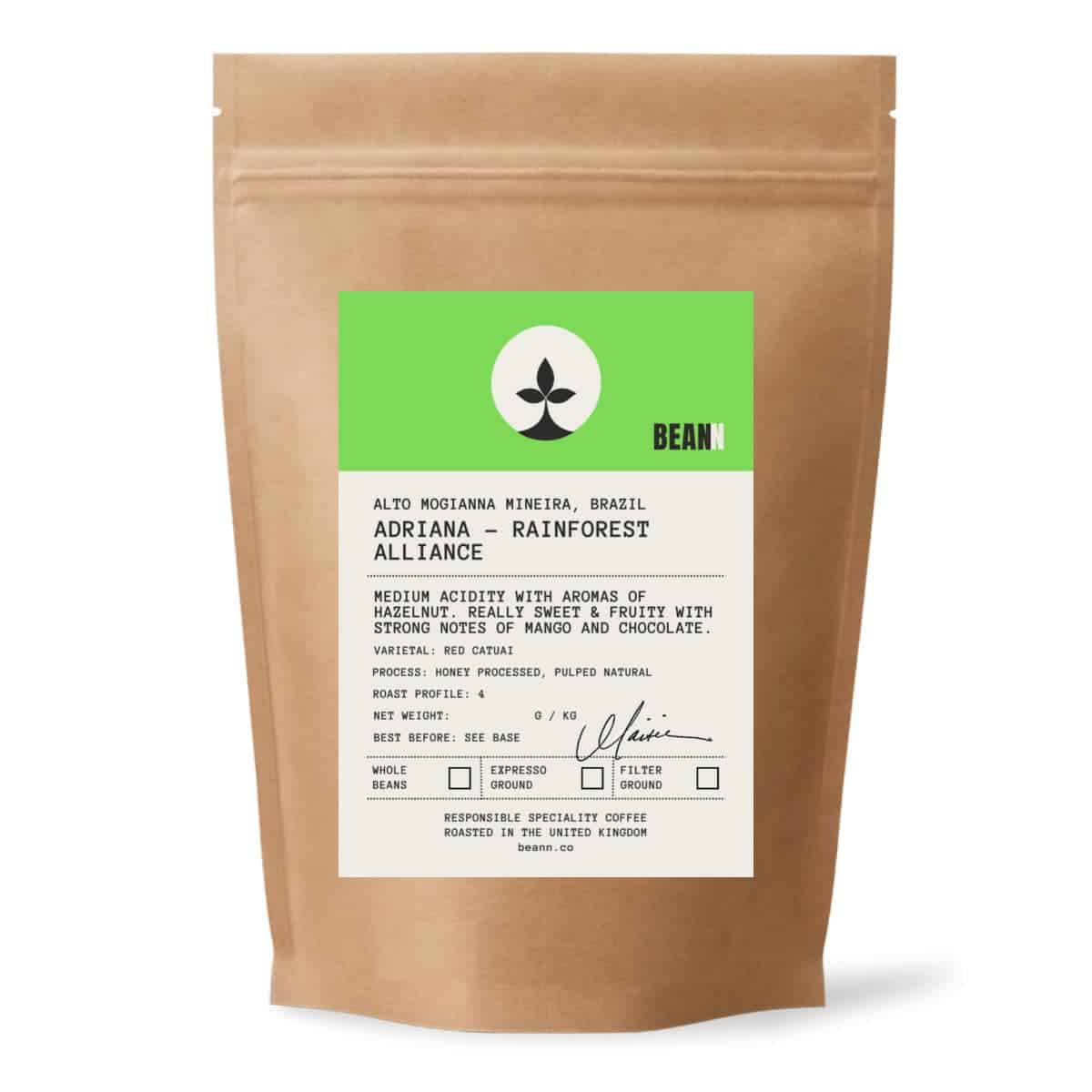
- Transparent sourcing: Information about origin, farm, lot and processing on the menu or website.
- Fresh small-batch roasting: Beans roasted recently, with roast dates visible on bags.
- Brewing options: Pour-over, V60, Chemex, Aeropress, and well-maintained espresso machines with a quality grinder.
- Knowledgeable staff: Baristas who can explain the coffee’s origin, flavour notes and brewing recommendations.
- Clean, consistent preparation: Shots pulled to spec, correct extraction times and well-frothed milk when applicable.
- Community and events: Tastings, cuppings or workshops indicate a commitment to education and craft.
Understanding flavour: tasting notes and how to cup
Cupping is the standard method for assessing coffee. While you don’t need to perform formal cuppings at home, understanding the basic components helps you appreciate differences:
- Aroma: What you smell before tasting — floral, fruity, nutty, etc.
- Acidity: A bright, lively quality (not sourness) that lends clarity and complexity.
- Body: The mouthfeel — light, medium or full.
- Flavour: The overall taste profile: citrus, berry, chocolate, caramel, spice.
- Aftertaste: The lingering flavour once swallowed.
Try this simple at-home tasting: brew two different single-origin filter coffees using the same ratio and grind. Compare aroma, acidity, body and flavour. Note which you prefer and why — this will sharpen your palate and guide future purchases.
Single-origin vs blends: which to choose?
- Single-origin coffee highlights specific regional traits and is ideal for tasting unique profiles. It’s excellent for filter brewing.
- Blends combine beans to create balance, consistency and complexity. Many espresso blends are crafted to perform well with milk and produce dependable crema.
Both have a place. If you’re exploring flavours, start with single-origin; if you want a reliable everyday espresso, a blend may be better.
Ethical sourcing and sustainability: what to look for
Consumers who search for “ethical sourcing” alongside “speciality coffee” want assurances about environmental and social responsibility. Look for:
- Direct trade or transparency about farmer relationships.
- Certification where relevant (Fairtrade, Rainforest Alliance), though certifications aren’t the only indicator of good practice.
- Details on pricing and premiums paid to producers.
- Organic or regenerative farming practices where possible.
- Evidence of community investment, training or infrastructure improvements.
Businesses should communicate these practices clearly on packaging and online — it matters to informed buyers.
How to buy and store speciality coffee
- Buy whole beans whenever possible and grind just before brewing for the best flavour.
- Check roast dates; aim to use filter coffee 7–21 days after roast and espresso between 2–14 days (preferences vary).
- Store beans in an airtight container, away from heat, light and moisture. Avoid refrigeration; use a cool, dark cupboard.
- Purchase from local roasters for freshness and to support local specialty ecosystems.
Brewing basics for better coffee at home
For consistent results, focus on these fundamentals:
- Use fresh, filtered water heated to 92–96°C for most methods.
- Measure coffee by weight — a common starting ratio is 1:16 (coffee:water) for filter and 1:2 for espresso (by liquid out).
- Use a quality burr grinder and adjust grind size for extraction time: coarser for slower methods, finer for faster.
- For pour-over: bloom for 30–45 seconds, then add water in steady pulses.
- For Aeropress and other methods, follow trusted recipes and adjust to taste.
Conclusion
Coffee BEANN : Ethical Speciality Coffee Roasters
REGULARLY ASKED QUESTIONS
Frequently Asked Questions
What defines speciality coffee UK?
Speciality coffee UK refers to beans scored 80+ by certified graders and handled with care from farm to cup, offering clear origin information, distinctive tasting notes and high roasting and brewing standards.
How can I find the best speciality coffee near me?
Search local roasters and independent cafés, check roast dates on bags, read reviews for single-origin filter offerings, and look for shops offering multiple brew methods (V60, Chemex, AeroPress) and barista expertise.
What does “ethically sourced coffee” mean?
Ethically sourced coffee means transparent buying relationships (direct trade or fair premiums), proof of fair payment or investment in producer communities, and sustainable farming practices such as organic or regenerative methods.
Which UK roasters are known for speciality coffee?
Look for small-batch roasters with visible roast dates, clear origin info and seasonal single-origin releases. London, Bristol, Manchester and Edinburgh host many leading speciality coffee roasters — check local listings and specialty coffee guides.
Single-origin or blend — which is better for my brew?
Choose single-origin to taste unique regional flavours (best for filter brewing). Choose blends for balance and consistency, especially if you drink milk-based espresso drinks daily.
How should I store speciality coffee to keep it fresh?
Store whole beans in an airtight container, in a cool, dark place away from heat and sunlight. Grind immediately before brewing. Avoid the fridge; typical freshness windows are ~2–14 days for espresso and ~7–21 days for filter.